



OX2 Receptor
OX2 receptor (OX2R/HCRTR2) is a class A G protein-coupled receptor activated by orexin-A and orexin-B, two hypothalamic neuropeptides derived from prepro-orexin[1]. Mechanistically, this orexin receptor system links hypothalamic neuropeptide signaling to feeding behavior, arousal biology, and sleep-wake regulation[1][2]. In disease models, loss of orexin signaling produces narcolepsy-like phenotypes, and orexin knockout mice show disrupted sleep regulation[2]. Receptor-specific models further show that OX2R deficiency and orexin- states produce distinct narcolepsy syndromes, supporting OX2R as a central node for non-REM and REM sleep regulatory processes[3]. Compared with OX1R, OX2R remains especially important because orexin-B displays stronger functional preference for OX2R, while both receptor subtypes mediate overlapping but separable orexin biology[1][3]. Structural studies of human OX2R bound to suvorexant define an orthosteric antagonist-binding pocket that supports rational ligand design for sleep and wake research[4]. For experimental applications, the nonpeptide OX2R-selective agonist YNT-185 ameliorated narcolepsy-cataplexy symptoms in mouse models, providing pharmacological proof of concept for OX2R activation[5]. Clinically, an oral OX2R-selective agonist improved sleepiness and cataplexy measures in narcolepsy type 1 but was associated with liver safety limitations[6].
References:
- [1]. Sakurai T, et al. Orexins and orexin receptors: a family of hypothalamic neuropeptides and G protein-coupled receptors that regulate feeding behavior. Cell. 1998 Feb 20;92(4):573-85. [Content Brief]
- [2]. Chemelli RM, et al. Narcolepsy in orexin knockout mice: molecular genetics of sleep regulation. Cell. 1999 Aug 20;98(4):437-51. [Content Brief]
- [3]. Willie JT, et al. Distinct narcolepsy syndromes in Orexin receptor-2 and Orexin null mice: molecular genetic dissection of Non-REM and REM sleep regulatory processes. Neuron. 2003 Jun 5;38(5):715-30. [Content Brief]
- [4]. Yin J, et al. Crystal structure of the human OX2 orexin receptor bound to the insomnia drug suvorexant. Nature. 2015 Mar 12;519(7542):247-50. [Content Brief]
- [5]. Irukayama-Tomobe Y, et al. Nonpeptide orexin type-2 receptor agonist ameliorates narcolepsy-cataplexy symptoms in mouse models. Proc Natl Acad Sci U S A. 2017 May 30;114(22):5731-5736. [Content Brief]
- [6]. Dauvilliers Y, et al. Oral Orexin Receptor 2 Agonist in Narcolepsy Type 1. N Engl J Med. 2023 Jul 27;389(4):309-321. [Content Brief]
-
OX2 Receptor Related Products (56)
Related Products (56)

-
Orexin A (human, rat, mouse)
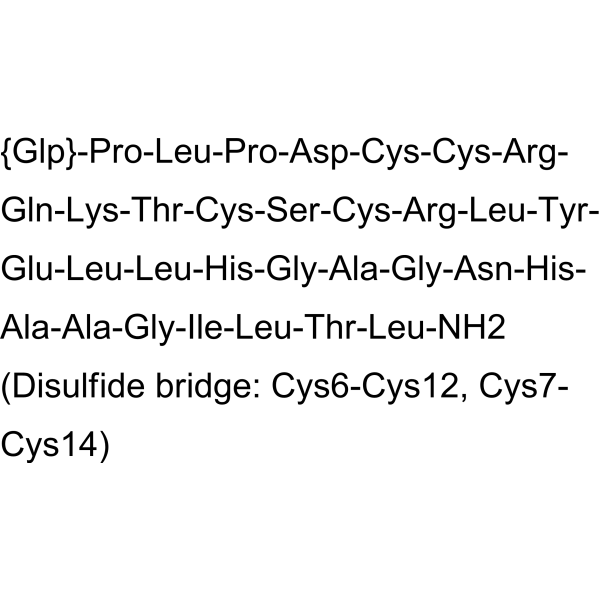 0 ImagesSynonyms: Hypocretin-1 (human, rat, mouse)Orexin A (human, rat, mouse) (Hypocretin-1 (human, rat, mouse)), a 33 amino acid excitatory neuropeptide, orchestrates diverse central and peripheral processes. Orexin A (human, rat, mouse) binds and activates two types of G protein-coupled receptors, the orexin-1 receptor (OX1R) and the orexin-2 receptor (OX2R). Orexin A (human, rat, mouse) has a role in the regulation of feeding behavior. Orexin A (human, rat, mouse) is an effective anti-nociceptive and anti-hyperalgesic agent in mice and rats.
-
Almorexant
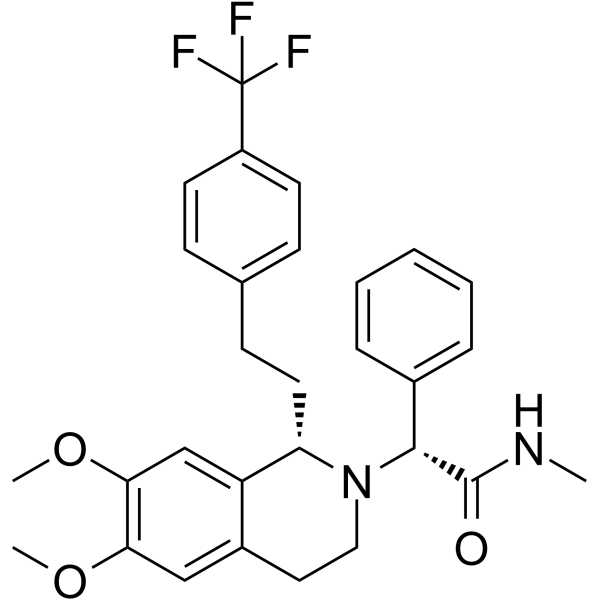 0 ImagesSynonyms: ACT 078573Almorexant (ACT 078573) is an orally active, potent and competitive dual orexin receptor antagonist, with Kd values of 1.3 nM (OX1) and 0.17 nM (OX2), respectively. Almorexant reversibly blocks signaling of orexin-A and orexin-B peptides. Almorexant totally blocked the intracellular Ca2+ signal pathway. Almorexant stimulates caspase-3 activity in AsPC-1 cells and induces apoptosis.
-
Orexin A (human, rat, mouse) acetate
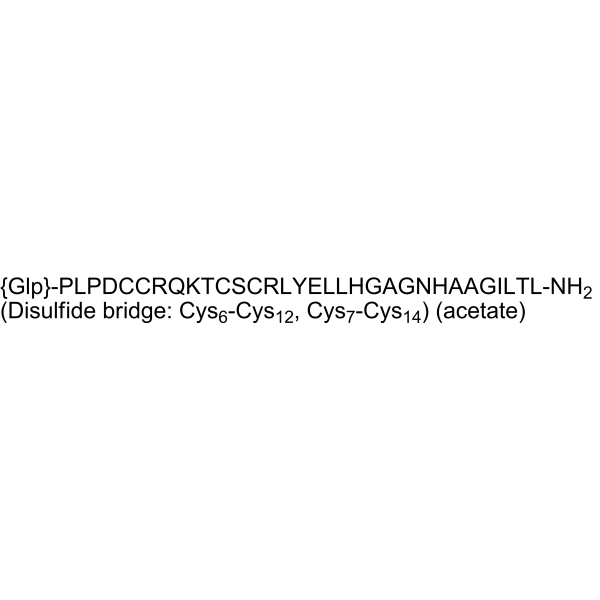 0 ImagesCat. No.: HY-106224BPurity: 99.53%Synonyms: Hypocretin-1 (human, rat, mouse) acetateOrexin A (Hypocretin-1) (human, rat, mouse) acetate is a hypothalamic neuropeptide with analgesic properties (crosses the blood-brain barrier). Orexin A (human, rat, mouse) acetate binds and activates two types of G protein-coupled receptors, the orexin-1 receptor (OX1R) and the orexin-2 receptor (OX2R). Orexin A (human, rat, mouse) acetate can be used in studies of appetite regulation, neurodegenerative diseases and modulation of injurious messaging.
-
Seltorexant
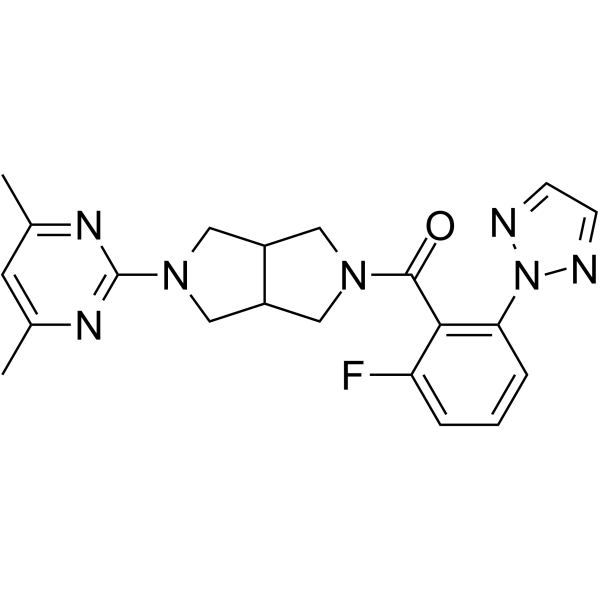 0 ImagesSynonyms: JNJ-42847922Seltorexant (JNJ-42847922) is an orally active, high-affinity, and selective orexin-2 receptor (OX2R) antagonist (pKi values of 8.0 and 8.1 for human and rat OX2R). Seltorexant (JNJ-42847922) crosses the blood-brain barrier and quickly occupies OX2R binding sites in the rat brain.
-
Oveporexton
 0 ImagesSynonyms: TAK-861Oveporexton (TAK-861) is an orally active and selective orexin receptor 2 (OX2R) agonist with an EC50 of 2.5 nM. Oveporexton exhibits 3000-fold selectivity for OX2R over OX1R. Oveporexton can be used for the study of hypersomnia disorders including narcolepsy.
-
Balumorexton
 0 ImagesCat. No.: HY-184054CAS No.: 3037907-48-2Balumorexton is an orally active orexin type 2 receptor (OX2R) agonist. Balumorexton is used for the research of narcolepsy.
-
23ME-00610
 0 ImagesCat. No.: HY-P99216223ME-00610 is a humanized effector-function-null IgG1 antibody targeting CD200R1, with a Kd of <0.1 nM for hCD200R1. 23ME-00610 blocks the binding of CD200 to CD200R1 and inhibits the recruitment of the downstream adaptor protein DOK2 to CD200R1. 23ME-00610 restores IL-2 production suppressed by CD200. 23ME-00610 induces cytokine production in cells. 23ME-00610 enhances cell-mediated tumor cell killing in vitro. 23ME-00610 can be used for melanoma research.
-
Vornorexant
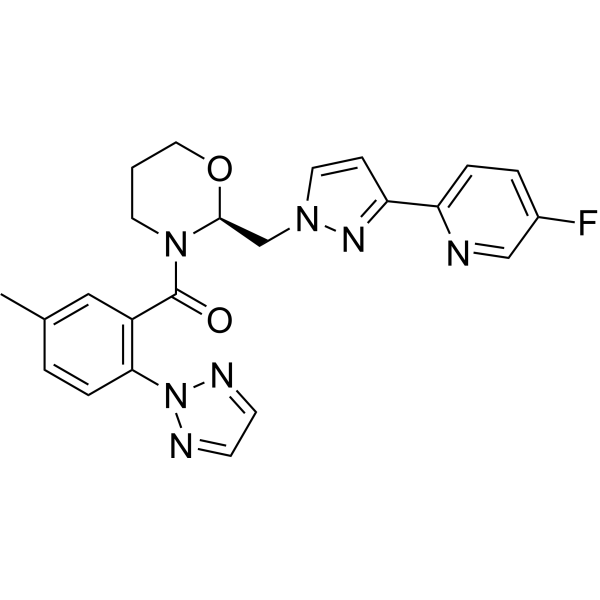 0 ImagesSynonyms: ORN-0829; TS-142Vornorexant (ORN-0829; TS-142) is a potent dual OX1R and OX2R antagonist with IC50 values of 1.05 nM and 1.27 nM, respectively. Vornorexant exhibits potent sleep-promoting effects in vivo and can be used for insomnia research research.
-
TCS-OX2-29
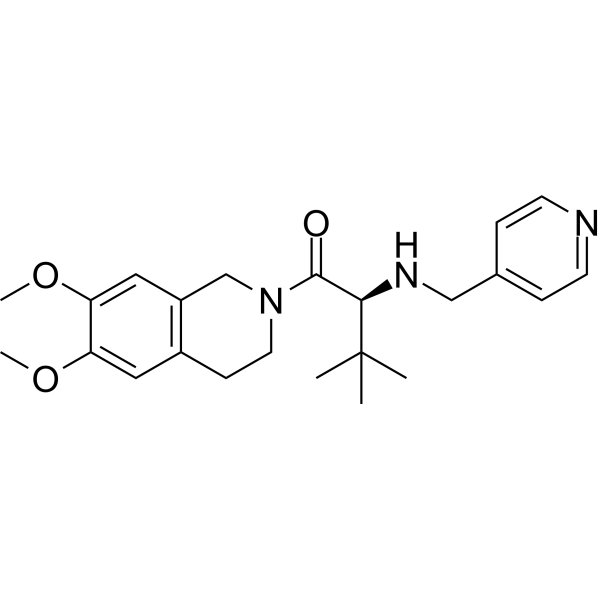 0 ImagesTCS-OX2-29 is a potent, high affinities and selective orexin-2 receptor (OX2R) antagonist with an IC50 value of 40 nM and a pKI value of 7.5. TCS-OX2-29 displays ~250-fold selectivity for OX2 over OX1.
-
Almorexant hydrochloride
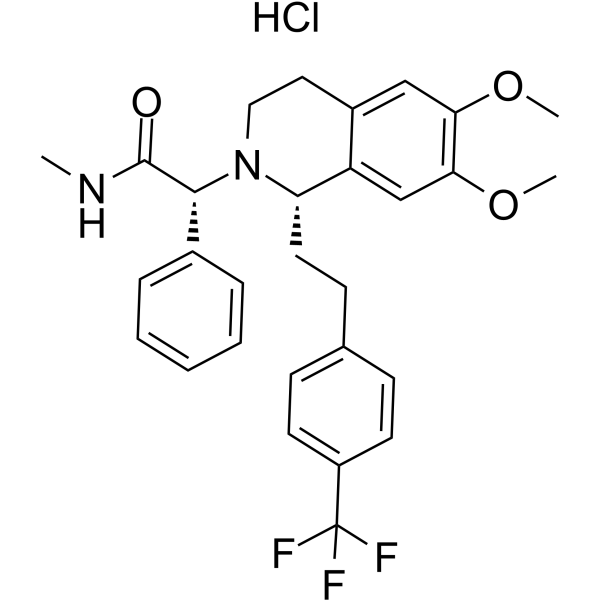 0 ImagesSynonyms: ACT 078573 hydrochlorideAlmorexant (ACT 078573) hydrochloride is an orally active, potent and competitive dual orexin receptor antagonist, with Kd values of 1.3 nM (OX1) and 0.17 nM (OX2), respectively. Almorexant hydrochloride reversibly blocks signaling of orexin-A and orexin-B peptides. Almorexant hydrochloride totally blocked the intracellular Ca2+ signal pathway. Almorexant hydrochloride stimulates caspase-3 activity in AsPC-1 cells and induces apoptosis.
-
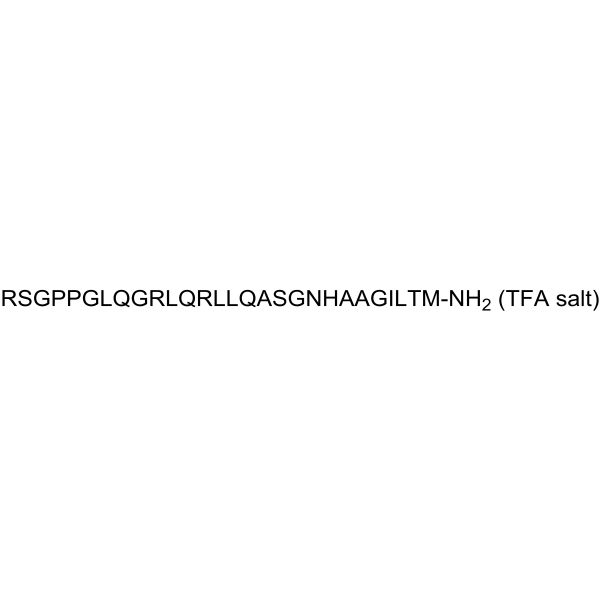
Orexin A (human, rat, mouse) TFA
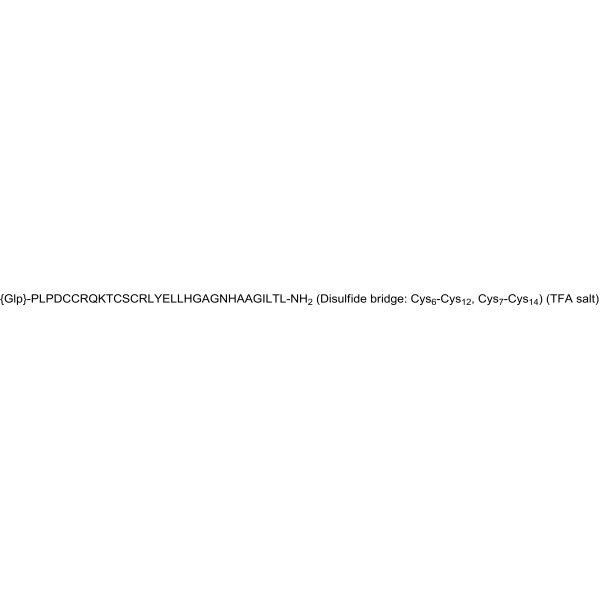 0 ImagesCat. No.: HY-106224APurity: 98.13%Synonyms: Hypocretin-1 (human, rat, mouse) TFAOrexin A (human, rat, mouse) (Hypocretin-1 (human, rat, mouse)) TFA, a 33 amino acid excitatory neuropeptide, orchestrates diverse central and peripheral processes. Orexin A (human, rat, mouse) TFA binds and activates two types of G protein-coupled receptors, the orexin-1 receptor (OX1R) and the orexin-2 receptor (OX2R). Orexin A (human, rat, mouse) TFA has a role in the regulation of feeding behavior. Orexin A (human, rat, mouse) TFA is an effective anti-nociceptive and anti-hyperalgesic agent in mice and rats.
-
RTIOXA-43
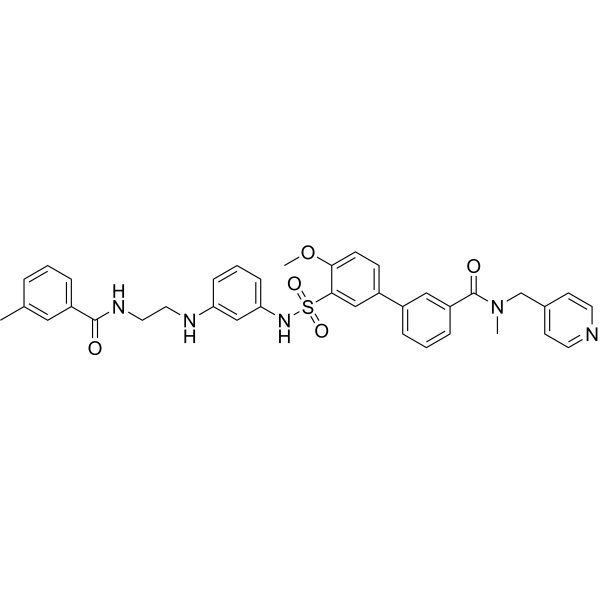 0 ImagesRTIOXA-43 is a orexin receptor agonist with EC50s of 24 nM and 24 nM for OX2 and OX1 receptors, respectively.
-
MK-1064
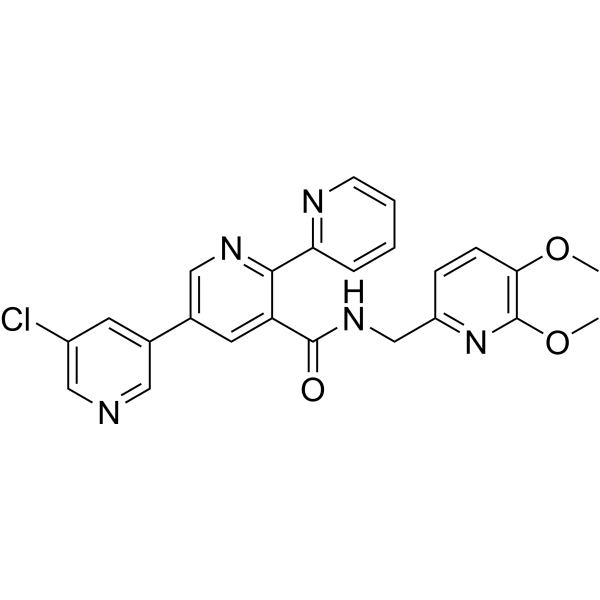 0 ImagesMK-1064 is a selective and orally active OX2R antagonist (Ki: 0.5 nM, IC50: 18 nM). MK-1064 promotes sleep in vivo. MK-1064 can be used in the research of insomnia.
-
JNJ-10397049
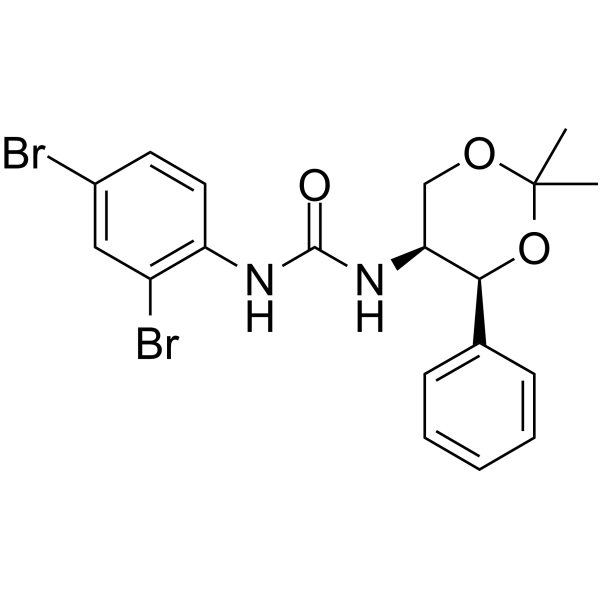 0 ImagesJNJ-10397049 is a potent and selective orexin 2 receptor (OX2R) antagonist, with a pKi of 8.3. JNJ-10397049 is 600-fold selective for the OX2R over the OX1R.
-
Orexin 2 Receptor Agonist
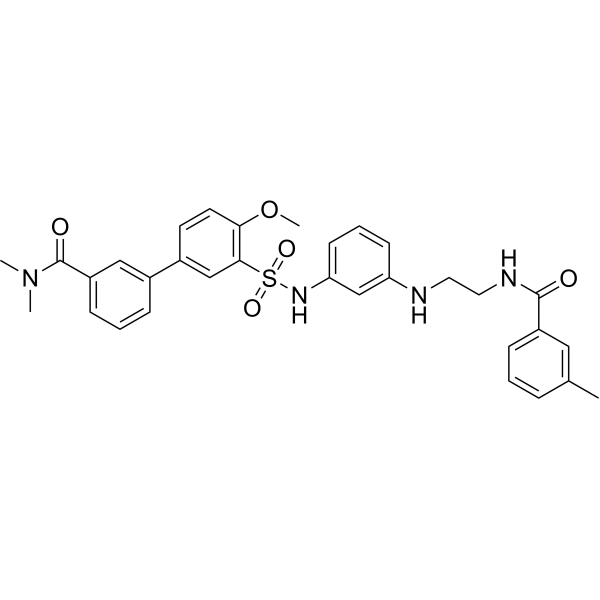 0 ImagesOrexin 2 Receptor Agonist is a potent selective OX2R agonist with an EC50 of 23 nM.
-
SB-674042
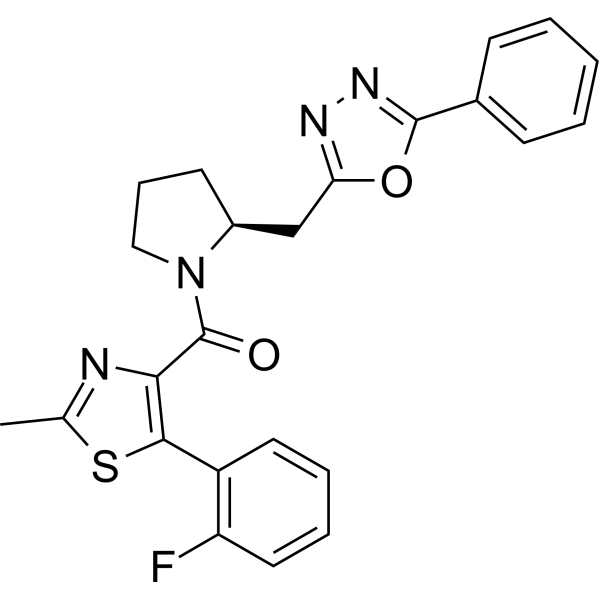 0 ImagesSB-674042 is a potent and selective non-peptide orexin OX1 receptor antagonist (Kd=5.03 nM), exhibits 100-fold selectivity for OX1 over OX2 receptors with IC50 values of 3.76 nM and 531 nM, respectively.
-
Alixorexton
 0 ImagesSynonyms: ALKS 2680Alixorexton (ALKS 2680) is an orally bioavailable, blood-brain barrier-permeable OX2R-selective activator and wake-promoting agent. Alixorexton can be used for the research of narcolepsy and idiopathic hypersomnia.
-
EMPA
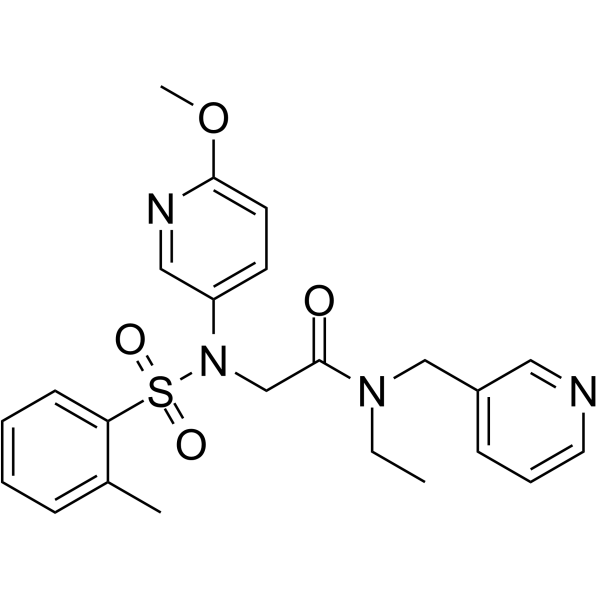 0 ImagesEMPA is a high-affinity, reversible and selective orexin OX2 receptor antagonist. [3H]EMPA binds to human and rat OX2-HEK293 membranes with KD values of 1.1 and 1.4 nM respectively.
-
Seltorexant hydrochloride
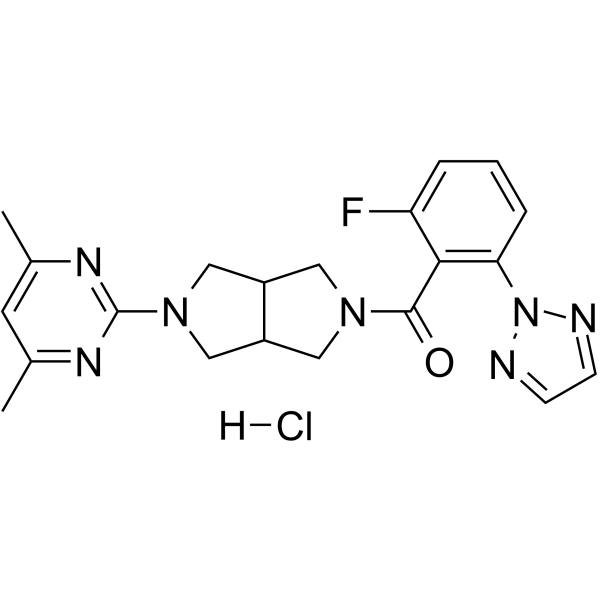 0 ImagesSynonyms: JNJ-42847922 hydrochlorideSeltorexant hydrochloride (JNJ-42847922 hydrochloride) is an orally active, high-affinity, and selective OX2R antagonist (pKi values of 8.0 and 8.1 for human and rat OX2R). Seltorexant hydrochloride crosses the blood-brain barrier and quickly occupies OX2R binding sites in the rat brain.



